
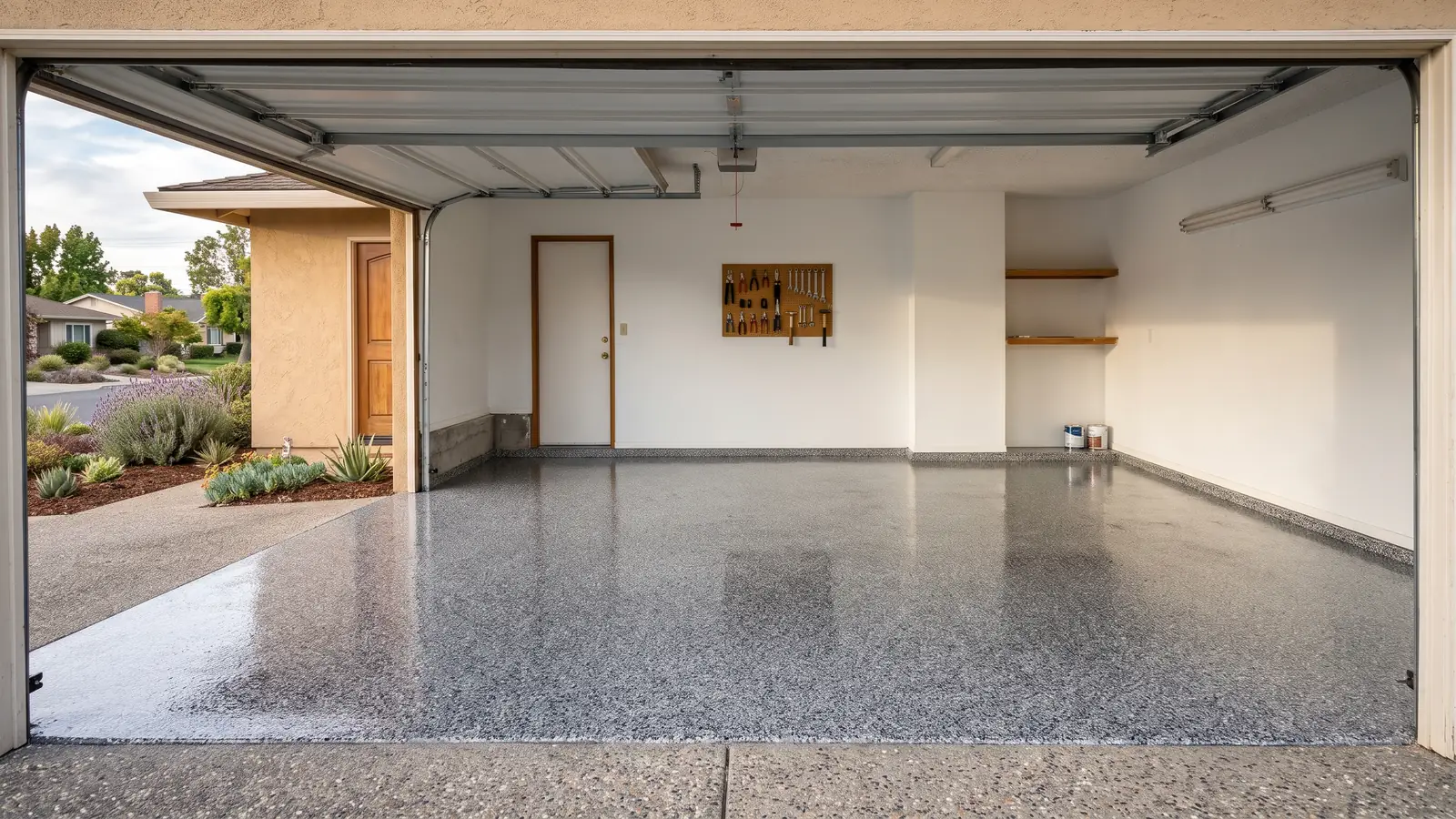
- Filling ordinary cracks costs about $0.50 to $3 per linear foot in national guides, with a minimum service charge of $100 to $250 on small jobs.
- Sealing a single slab crack runs about $250 to $800, epoxy or polyurethane injection about $400 to $1,500, and steel or carbon-fiber stitching about $500 to $2,000 per crack.
- Hairline cracks under about 0.3 mm (thinner than a credit card) usually come from normal shrinkage. Cracks wider than 1/4 inch point to a bigger problem and are worth an engineer's look.
- Under a new floor coating, cracks are filled on prep day, after grinding and before the first coat, so they rarely need a visit of their own.
The choices that matter
Filler type (rigid epoxy, semi-rigid, or flexible sealant), whether the crack is still moving, and how the repair will look under the finish.
Hayward Epoxy Floors links you up with one independent local contractor who repairs cracks in garage slabs, shop floors, patios and walkways, usually as the first step of a coating or resurfacing job. The method depends on what the crack is doing. A dormant hairline gets routed and filled. A crack that still moves needs a flexible sealant, or a structural fix first. Spalls get cut back and patched with a repair mortar.
Concrete Crack Repair Types by Crack and Slab
Hairline and Shrinkage Cracks
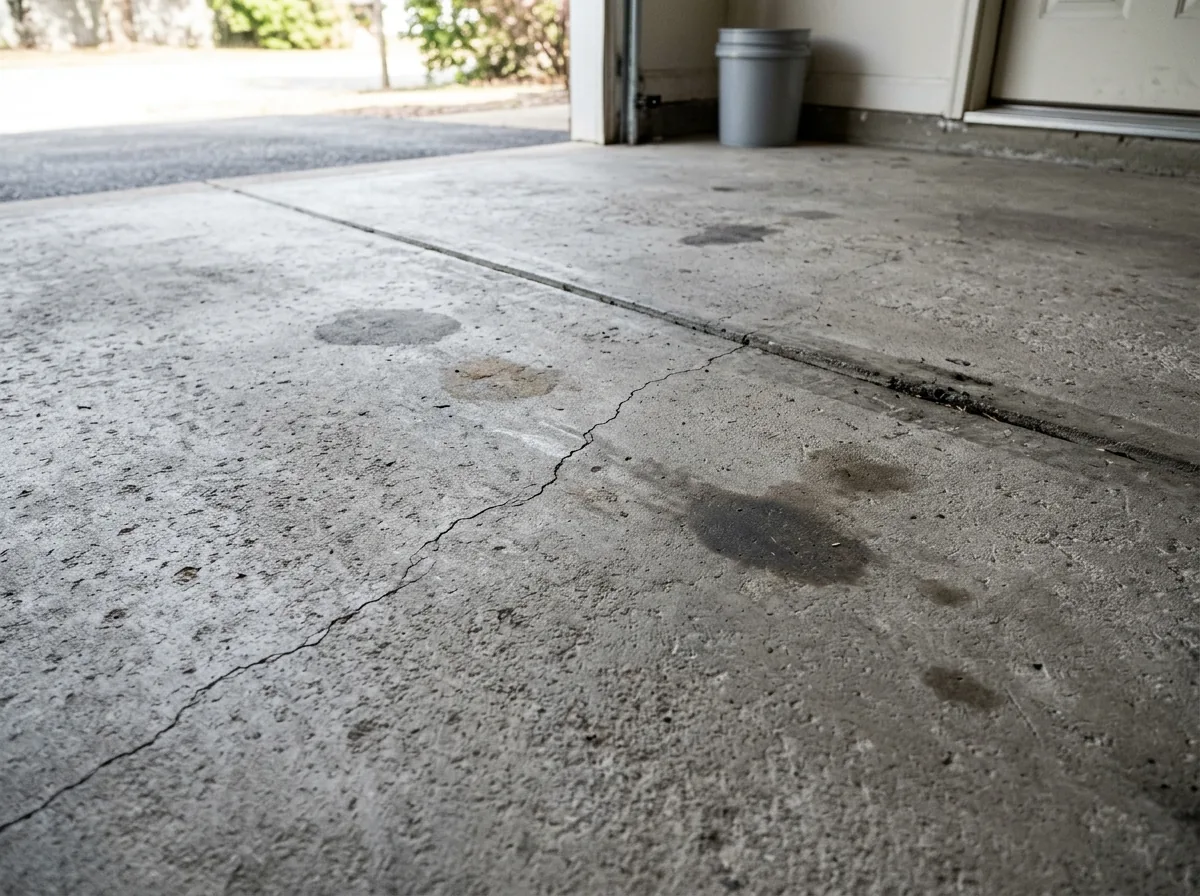
Almost every slab cracks a little. Concrete shrinks as the water in the mix dries out, and when that stress beats the concrete's strength it cracks. Control joints exist to make it crack in a straight line where you want it. Hairlines under about 0.3 mm are normal shrinkage and don't mean the slab is failing. They're still worth filling before a coating, because a crack left open under epoxy tends to show through as a line.
Moving and Structural Cracks
Cracks wider than 1/4 inch, cracks with one side higher than the other, and cracks that keep growing are different. Cost guides recommend a structural engineer before repairs, at roughly $100 to $220 an hour, because the cause may be settlement or a leak under the slab. Stitching across the crack with steel staples or carbon fiber is meant for slabs that have cracked but stopped moving. If it's still moving, ask about a flexible sealant and fix the cause first.
Spalled and Pitted Concrete
Spalls are shallow craters where the top of the slab has broken away, often at joint edges and around old repairs. The repair is to saw-cut or grind back to sound concrete, then fill with an epoxy or cement-based patching mortar. A national guide prices small chip and crack patches at about $25 to $250. When pitting covers most of the floor, a thin overlay may make more sense than dozens of patches; the concrete resurfacing page covers.
Garage Slab Cracks before Coating
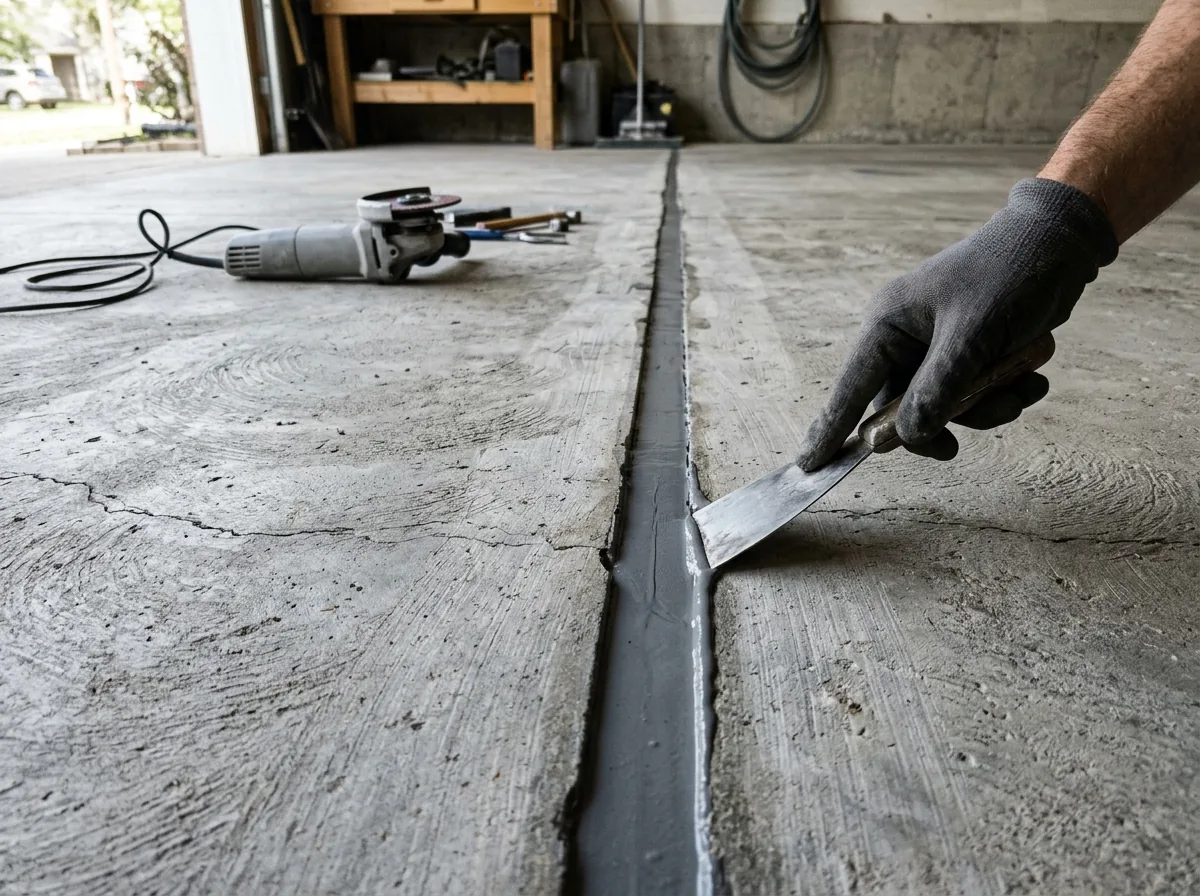
Under a floor coating, crack repair follows grinding. The installer chases each crack open with a small diamond blade or grinder so the filler has clean walls to bond to, fills it with a rigid or semi-rigid epoxy, then grinds it flush. A flake broadcast tends to hide the repaired line, while solid colors and metallics can show it. Control joints are a separate decision: filled flush or left open. The industrial epoxy page explains semi-rigid joint fill.
Sidewalk and Patio Crack Repair
Outdoor slabs get sun and winter rain, and they move more than a garage floor. Narrow cracks can be cleaned and filled with a flexible sealant that tolerates the seasons. Cracks under 1/4 inch can also be bridged by a resurfacing overlay, but resurfacing guides warn that larger cracks reflect up through the new layer, and that badly cracked or heaving sections are cheaper to replace. Trip edges where one panel has lifted can be ground down as a short-term fix.
Why Hayward homeowners call Hayward Epoxy Floors
- No fee to you for the referral
- Your request goes to one local installer, not a list
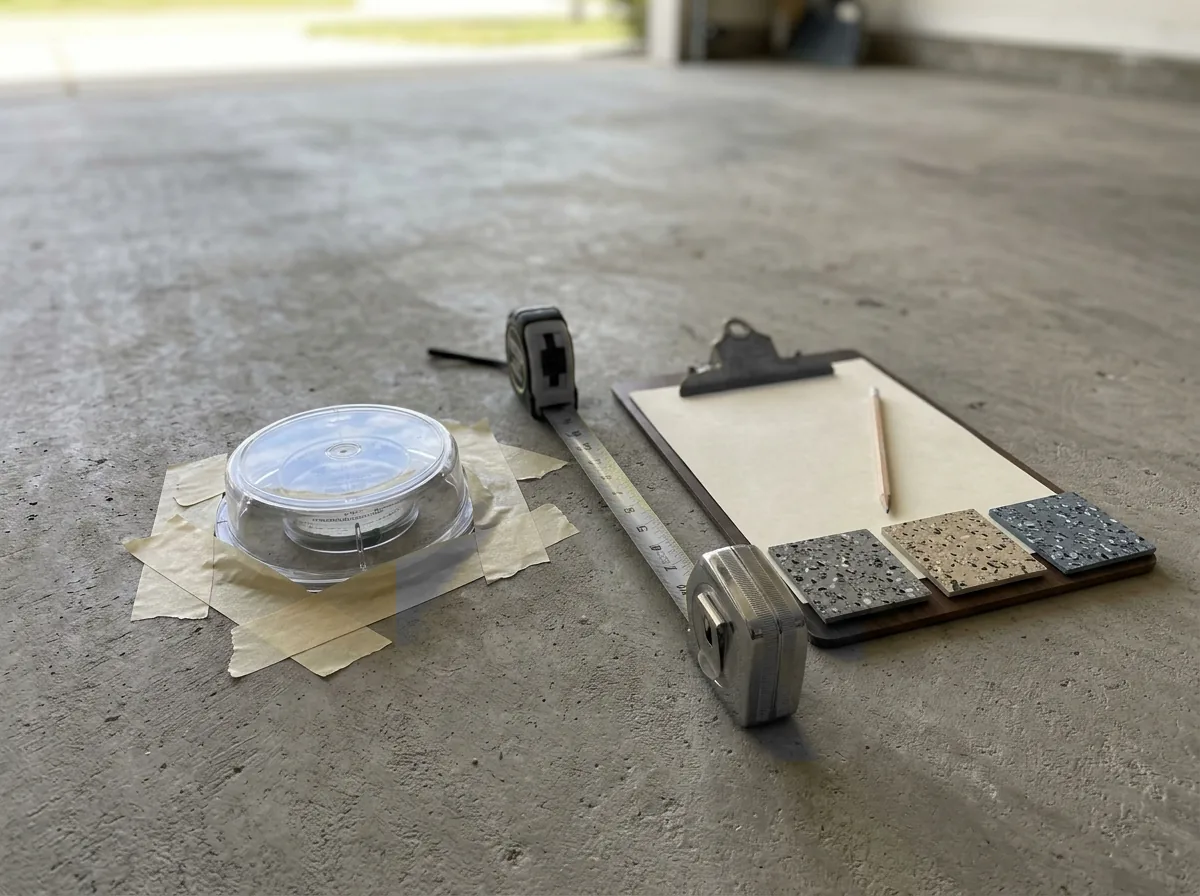
- Ask for a written scope: system, coats and cure time
- Free estimate after the slab is looked at
Cracks Near the Hayward Fault
Hayward sits on the Hayward Fault, one of the Bay Area's "creeping" faults: the two sides slide past each other a little every year, about 1/5 inch (5 millimeters) by the USGS's measurement. Roads, curbs and buildings that straddle it are being progressively offset, and the USGS's own fact sheet shows an offset curb in the city of Hayward.
For a slab, that matters in two ways. First, a crack that runs straight through a driveway, patio or building near the fault trace and keeps widening year after year may be fault creep, not shrinkage, and no filler will hold it closed. Ask the contractor to leave it as a flexible joint rather than bridging it with a rigid repair. Second, the city's older housing stock means many slabs here are decades old, with settlement and old repairs as well as shrinkage. Get the cracks looked at and priced before you choose a coating color. The repair plan affects the finish.